Why Nepal Continues to Attract Experienced Trekkers?
Published May 20, 2025 by High Spirit Treks in Uncategorized
Introduction
Experienced trekkers don’t settle for average. They’ve already walked the popular paths and now crave something deeper—higher altitudes, fewer people, tougher terrain, and raw beauty. Nepal meets all of those expectations. In fact, many who’ve trekked across continents still find Nepal unmatched for its diversity, difficulty, and spiritual energy.
1. Endless Routes for Advanced Exploration
Nepal’s Himalayas offer dozens of trails beyond the well-known routes like Everest Base Camp or the Annapurna Circuit. For those who want less-traveled paths and real adventure, the country delivers. Treks like the Makalu Base Camp, Upper Dolpo, Kanchenjunga Circuit, and Great Himalayan Trail sections challenge the mind and body while offering true solitude.
2. High-Altitude Challenges
Experienced trekkers often seek the thrill of crossing technical mountain passes and reaching extreme elevations. Nepal has some of the world’s most demanding trekking routes:
- Three Passes Trek (Everest region) – Renjo La, Cho La, and Kongma La, all above 5,000m
- Tsho Rolpa and Yalung Ri – a hidden alpine experience few attempt
- Tilman Pass – a remote crossing that demands navigation skills and endurance
3. Opportunities for Alpine Style and Fastpacking
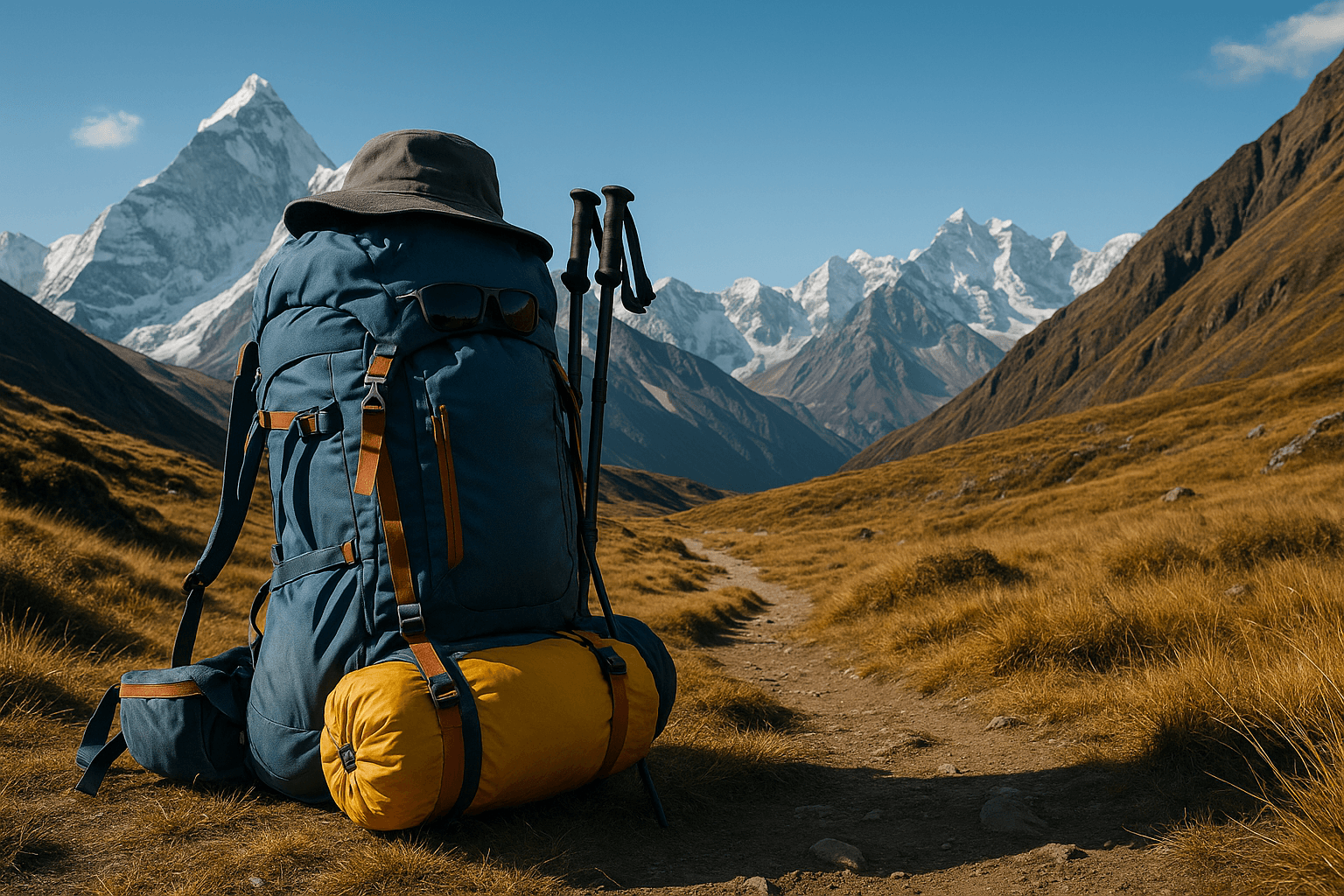
Skilled hikers often want to carry less and move faster. Nepal allows that style of trekking in many regions with well-placed teahouses. Routes like Langtang Valley, Manaslu Circuit, and Nar Phu Valley are ideal for lightweight alpine trekking or fastpacking. For those comfortable with minimal gear and basic conditions, this opens up new possibilities.
4. Culture and Connection Beyond the Trail
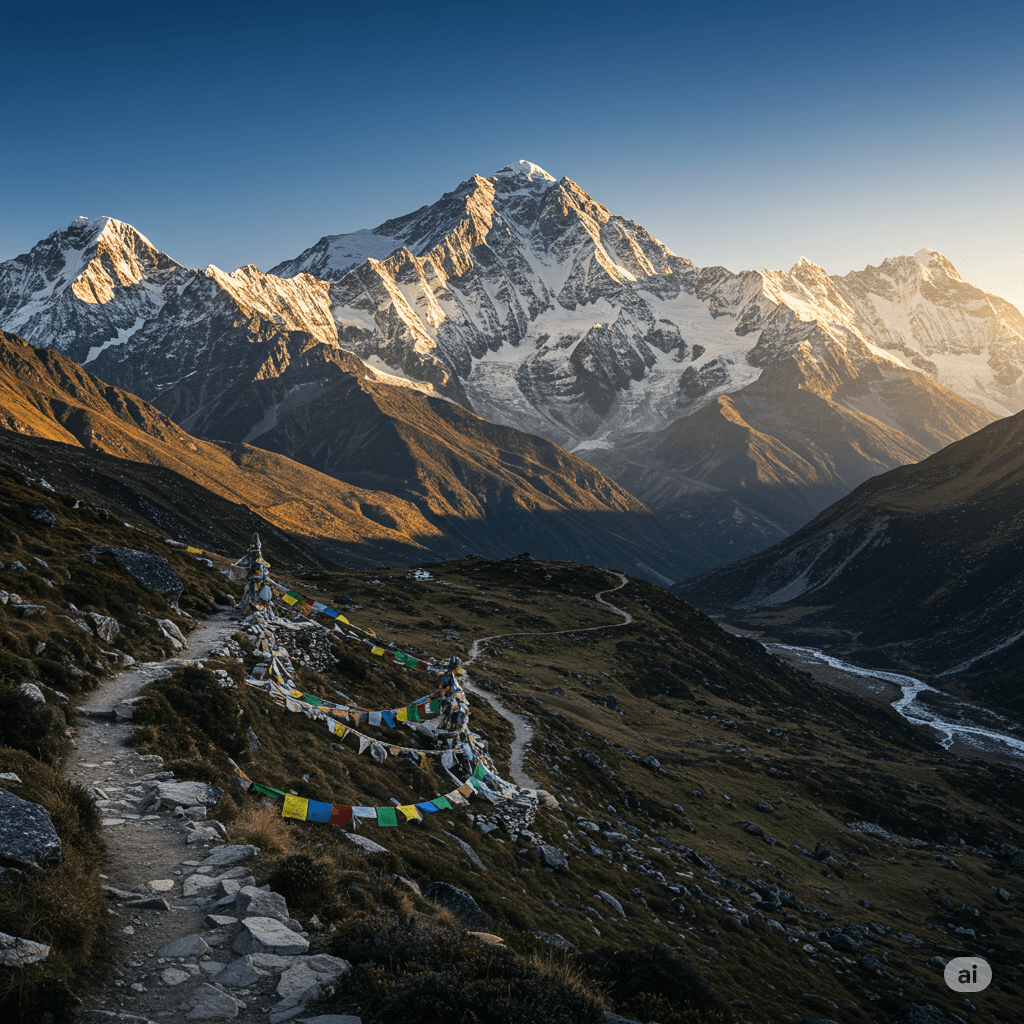
Veteran trekkers know that trekking isn’t just about distance or height—it’s about connection. Nepal offers encounters with high-altitude communities living traditional lives. Monasteries in the Khumbu or Dolpo, ancient salt trade routes near Mustang, and timeless farming villages in Rolwaling bring more than scenery—they add meaning.
5. Combining Trekking with Peak Climbing
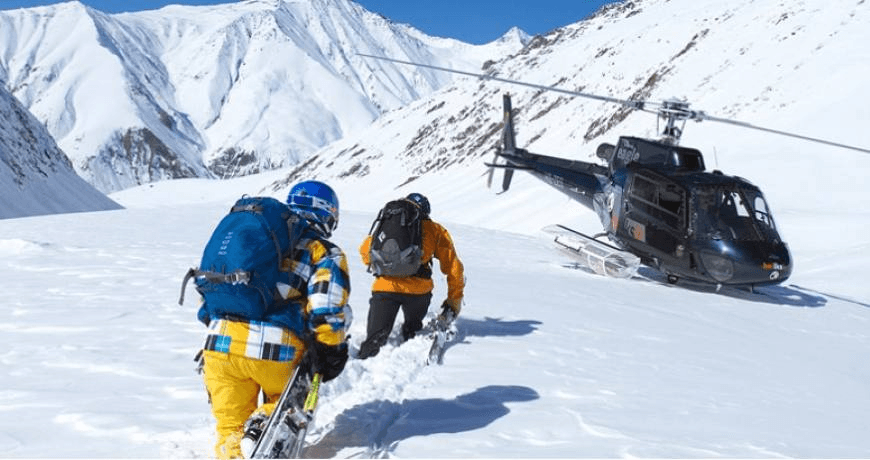
Many experienced hikers in Nepal take the next step into trekking peaks. These are non-technical climbs under 7,000m that still require ice axes, crampons, and basic mountaineering skills. Examples include:
- Island Peak (6,189m)
- Mera Peak (6,476m)
- Lobuche East (6,119m)
These offer the perfect bridge between trekking and mountaineering.
6. Logistics Still Matter
Even seasoned trekkers need to plan around:
- Permit complexity (some remote regions require multiple permits)
- Weather risks (monsoon landslides, winter snow closures)
- Health precautions (altitude meds, water safety)
- Communication tools (satellite messengers in remote zones)
Advanced trekkers often handle these independently, but local guides and agencies can help navigate changing regulations or unexpected conditions.
Conclusion
Nepal remains the ultimate playground for experienced trekkers. Whether it’s exploring forgotten valleys, climbing peaks, or crossing glaciers alone, the country keeps offering new goals and fresh perspectives. It’s no surprise that so many seasoned adventurers return again and again—not to repeat, but to evolve.