Understanding Trekking Grades of Nepal, Complete Guide to Trip Difficulty Levels
Published May 19, 2025 by High Spirit Treks in Uncategorized
1. Easy Trekking – Grade A (*)
Altitude: Up to 3,000 meters
Duration: Around 1 week
Difficulty: Low
Easy-grade treks are suitable for families, beginners, and travelers who prefer comfortable hiking. Trails are gentle, non-technical, and safe for all age groups. These routes usually pass through villages and offer great views without the strain of high elevation.
Popular Routes:
- Ghorepani Poon Hill
- Ghandruk Loop
- Shivapuri Nature Trail
2. Moderate Trekking – Grade B ()**
Altitude: Up to 5,000 meters
Duration: 7 to 15 days
Difficulty: Moderate
Moderate treks are best for those with average fitness and some hiking experience. The altitude can reach 5,000 meters, so acclimatization is important. Trails may involve a mix of uphill climbs, ridgelines, and longer walking days.
Popular Routes:
- Annapurna Base Camp
- Langtang Valley
- Mardi Himal
3. Strenuous Trekking – Grade C (*)**
Altitude: 5,000 to 5,500 meters
Duration: 12 to 20 days
Difficulty: Challenging
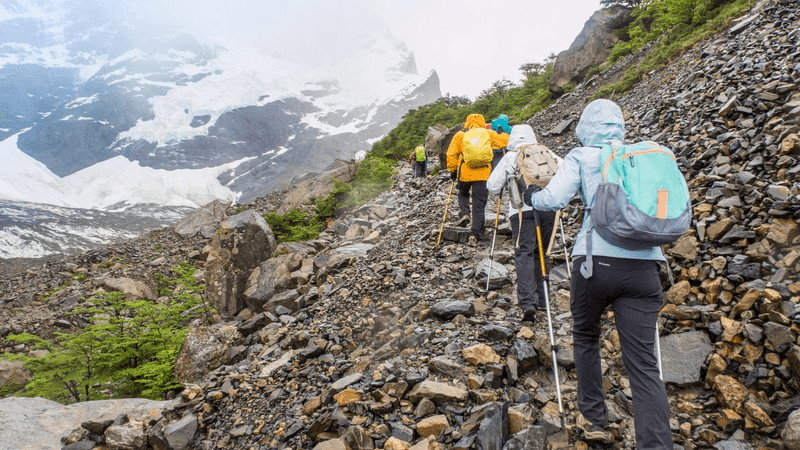
Strenuous treks combine tough terrain with high altitude. Daily hikes last 6 to 7 hours, and weather conditions can change quickly. You need good physical condition and some high-altitude experience. If you have medical conditions like asthma or high blood pressure, consult a doctor before trekking.
Popular Routes:
- Everest Base Camp
- Manaslu Circuit
- Tilicho Lake
4. Very Strenuous Trekking – Grade D (****)
Altitude: 4,000 to 6,000 meters
Duration: 15 to 25 days
Difficulty: Very high
These treks require strong endurance, physical training, and mental readiness. Trails include high Himalayan passes, steep inclines, and cold, thin air. You may use basic climbing gear like crampons or ropes. Acclimatization days are essential.
Popular Routes:
- Three Passes Trek
- Dhaulagiri Circuit
- Amphu Lapcha Pass
5. Technical Challenging Trek – Grade E (*)
Altitude: Up to and above 6,000 meters
Duration: 15 to 25+ days
Difficulty: Extreme
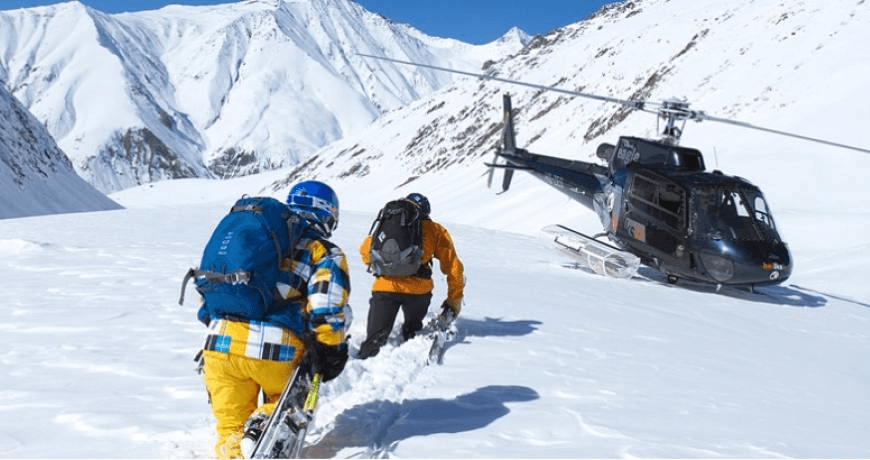
Technical trekking is suited only for advanced trekkers and climbers. It often involves rope climbing, glacier crossing, and use of equipment like ice axes and harnesses. These trips border on mountaineering and require serious preparation, proper gear, and licensed guides.
Popular Routes:
- Mera Peak
- Island Peak
- Chulu West
Conclusion
Understanding the trekking grade helps you choose a route that matches your fitness, interest, and adventure level. Nepal offers trails for all kinds of travelers, from easy scenic walks to intense high-altitude expeditions. Knowing your limits ensures a safe and memorable journey in the Himalayas.