Best Time to Trek in Nepal
Published May 20, 2025 by High Spirit Treks in Uncategorized
Introduction
Nepal offers trekking opportunities year-round, but the experience can vary drastically depending on the season. From clear autumn skies to lush monsoon landscapes, each season brings its own advantages and challenges. Knowing what to expect helps you choose the best time to go.
1. Autumn (Mid-September to November)
Overview:
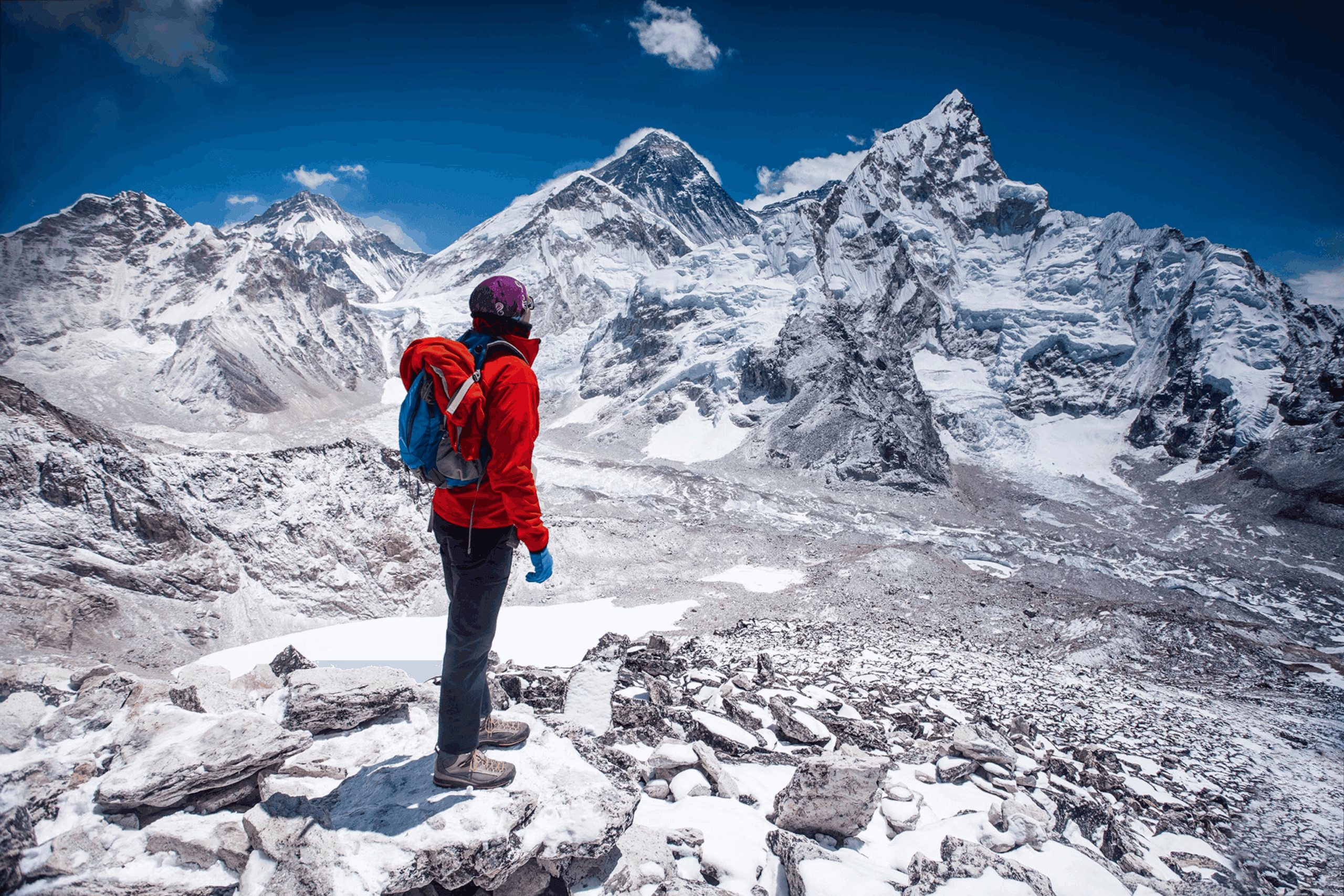
Autumn is the most popular trekking season in Nepal. The monsoon has just ended, so the air is clean, the skies are clear, and the mountains are fully visible.
Pros:
- Crystal-clear views of the Himalayas
- Comfortable daytime temperatures
- Ideal trail conditions
- Major festivals like Dashain and Tihar
Cons:
- High tourist traffic
- Lodges and permits may need to be booked in advance
Best Treks:
- Everest Base Camp
- Annapurna Circuit
- Langtang Valley
2. Spring (March to May)
Overview:
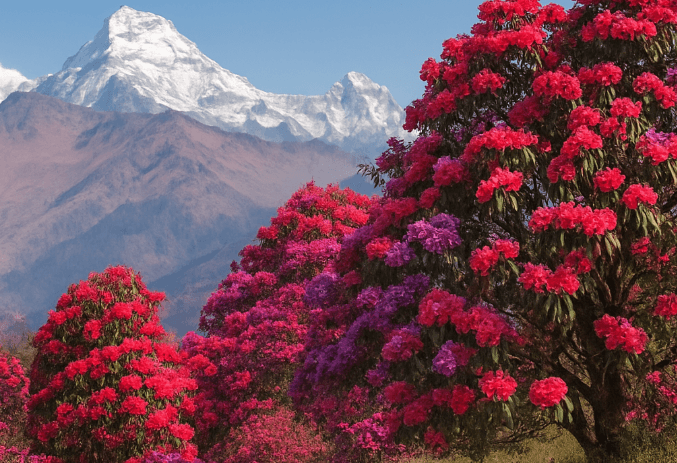
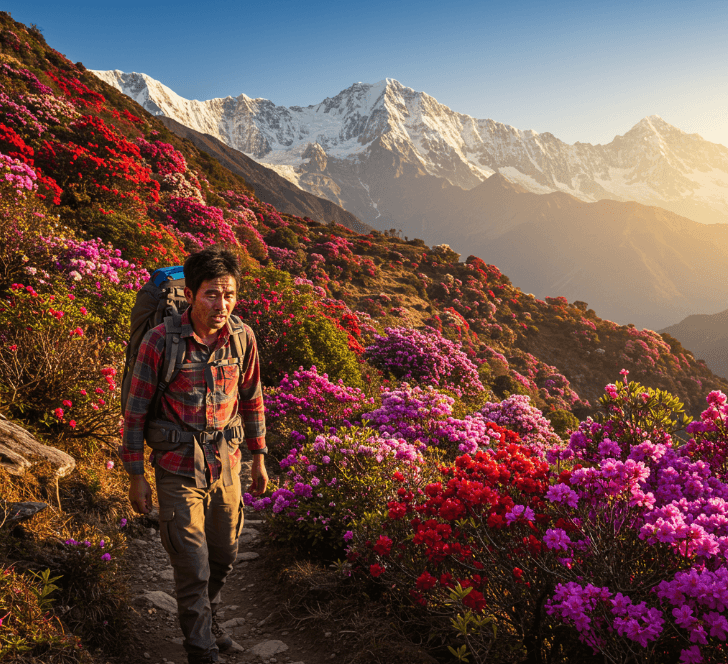
Spring is the second most popular season. It brings warmer weather and blooming rhododendron forests, especially in lower and mid-hill regions.
Pros:
- Lush, colorful landscapes
- Warmer temperatures than autumn
- Excellent for photography and flora lovers
Cons:
- Clouds may build up by afternoon
- Higher humidity compared to autumn
Best Treks:
- Ghorepani Poon Hill
- Manaslu Circuit
- Mardi Himal
3. Winter (December to February)
Overview:
Winter treks are less common due to colder temperatures and snow at higher altitudes. However, it’s a great time for lower-altitude treks with fewer tourists.
Pros:
- Clear skies and quiet trails
- Best for short treks below 3,000 meters
- Budget-friendly (low season discounts)
Cons:
- Extremely cold nights
- Many high passes and remote routes are closed
Best Treks:
- Ghandruk Trek
- Chisapani–Nagarkot Trail
- Lower Mustang
4. Monsoon (June to Mid-September)
Overview:
The monsoon season brings heavy rain, leeches, and landslides, making most trails difficult and risky. Still, some rain-shadow areas offer great trekking even during this time.
Pros:
- Lush green landscapes
- Fewer tourists
- Unique photography opportunities
Cons:
- Slippery and muddy trails
- Limited mountain visibility
- Risk of landslides and flight cancellations
Best Treks (Rain-Shadow Regions):
- Upper Mustang
- Dolpo Region
- Nar Phu Valley
Conclusion
The best time to trek in Nepal depends on your preferences and the type of adventure you’re looking for. Autumn and spring are ideal for classic treks with great views and stable weather. Winter is best for peaceful low-altitude treks, while monsoon is reserved for offbeat routes in dry regions. Choose wisely and your trekking experience in Nepal will be unforgettable.